FAQ
Frequently Asked Questions
Planning a trip to Bhutan is exciting, but it’s natural to have questions before you travel. From visa requirements and the Sustainable Development Fee (SDF) to the best time to visit, trekking, accommodations, and local customs, we’ve answered the most common questions to help you prepare with confidence.
Our goal is to make your journey as smooth and enjoyable as possible, so you can focus on experiencing Bhutan’s breathtaking landscapes, rich culture, and warm hospitality.
If you can’t find the information you’re looking for, our friendly team is always here to help. Contact us anytime—we’ll be happy to assist you in planning your perfect Bhutan adventure.
When is the best time to visit Bhutan?
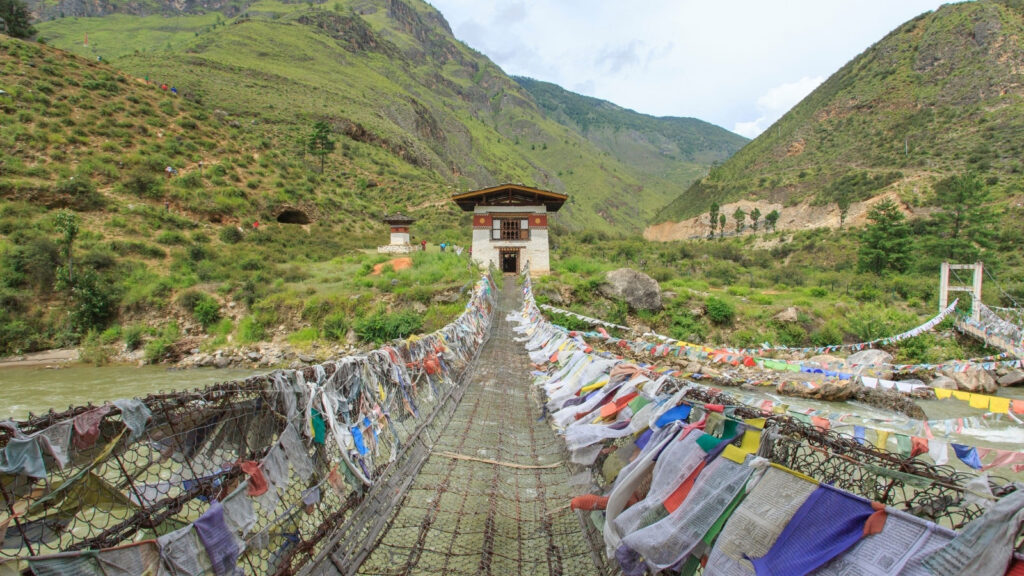
Bhutan is beautiful year-round, but the most popular times are spring (March to May) and autumn (September to November). During these seasons, you’ll enjoy clear mountain views, comfortable weather, and vibrant cultural festivals like Paro Tshechu and Thimphu Tshechu. Spring brings blooming rhododendrons, while autumn offers crisp air and stunning Himalayan backdrops—perfect for both sightseeing and trekking.
How do I choose a reliable Bhutan travel company?
Choosing the right travel partner is key to your Bhutan experience. Look for a licensed Bhutanese operator with strong reviews, transparent pricing, and personalized service. At Raw Tours and Travel, we focus on authentic local experiences, knowledgeable guides, and smooth logistics so you can travel with confidence and peace of mind.
How can I book my Bhutan trip?
How can I travel to Bhutan?
The easiest way to reach Bhutan is by flying into Paro International Airport, one of the most scenic landings in the world. Flights operate from cities like Bangkok, Delhi, Kathmandu, and Singapore. You can also enter by road from India through border towns such as Phuentsholing.
Do I need a visa to visit Bhutan?
Yes, all international travelers (except citizens of India, Bangladesh, and Maldives) require a visa. The process is straightforward and must be arranged through a licensed Bhutanese tour operator like us.
How do I obtain my Bhutan visa?
What types of Bhutan travel packages are available?
What adventure activities can I do in Bhutan?
Is trekking in Bhutan difficult?
What are the best trekking routes in Bhutan?
Some of the most popular trekking routes include the Druk Path Trek, Jomolhari Trek, and Bumdra Trek. Each offers a mix of breathtaking landscapes, remote villages, and cultural encounters.
What can I expect from a Bhutan cultural tour?
Why are festivals important in Bhutan?
When do Bhutan festivals take place?
What are the most popular Bhutan tours?
What is included in Bhutan tour packages?
Most Bhutan tour packages are all-inclusive. They typically cover accommodation, meals, licensed guide, transportation, permits, and entrance fees. This ensures a smooth, worry-free travel experience.
Can I customize my Bhutan itinerary?
Can I experience local life in Bhutan?
What should I pack for Bhutan?
Pack layered clothing, as temperatures can vary depending on altitude and season. Comfortable walking shoes, a light jacket, sunscreen, and personal essentials are highly recommended.
Is Bhutan safe for travelers?
Bhutan is one of the safest countries in the world. Crime is extremely low, and the people are warm, respectful, and welcoming—making it a stress-free destination.
Is Bhutan safe for solo female travelers?
Yes, Bhutan is widely considered one of the safest destinations for solo female travelers. The respectful culture and strong sense of community make it a comfortable place to explore independently.